
Pet-Friendly Living

Love Your Pets, Ditch the Dander

Living with pets brings immeasurable joy, but for many, it also brings the invisible challenge of pet dander.[1][2] Dander isn’t just shed fur; it consists of microscopic flecks of skin, proteins from saliva, and other biological traces that float through the air. Because these particles are jagged and lightweight, they don’t just settle on the floor—they cling to curtains, embed themselves in carpets, and stay suspended in the air for hours. For allergy sufferers, this can lead to a constant cycle of sneezing and irritation, but the solution doesn't have to mean parting with your best friend.

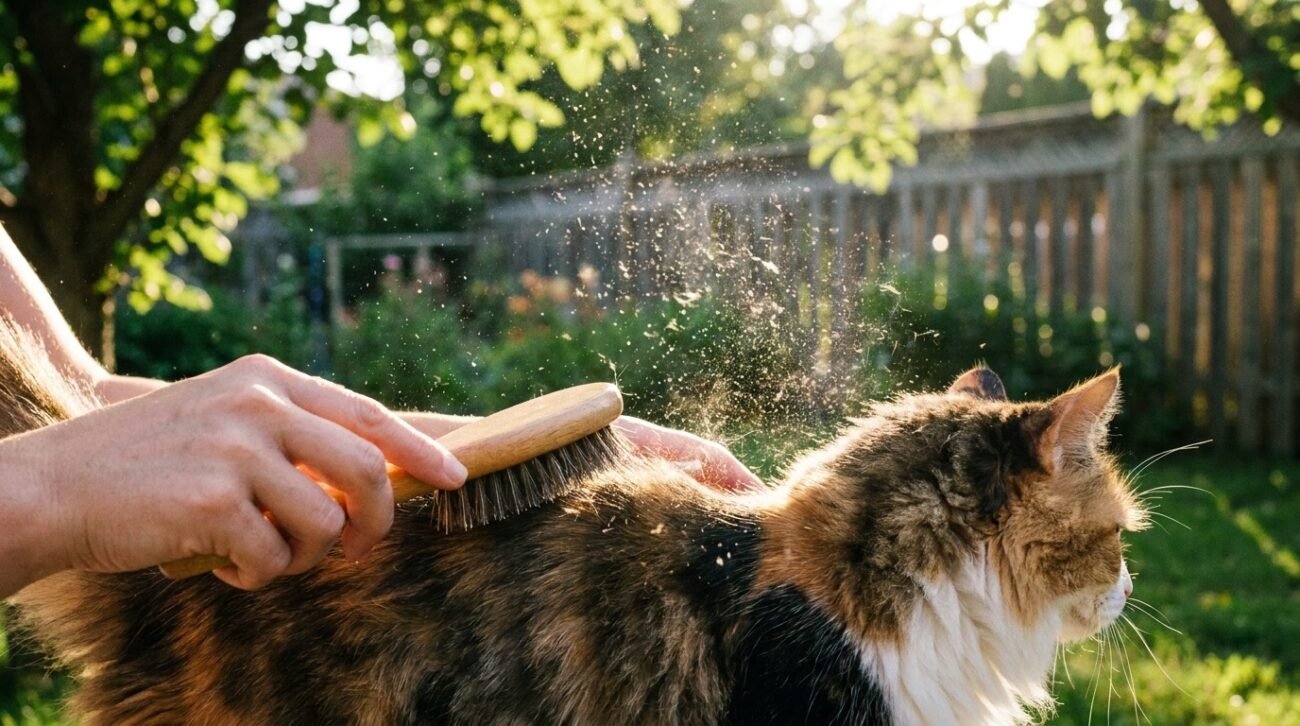
The most effective way to "ditch the dander" is to stop it at the source through a dedicated grooming routine. Brushing your pet daily, preferably outdoors to keep the loose particles from entering your home’s ventilation, can remove up to 90% of loose dander before it even has a chance to drop. While cats are self-groomers, occasional baths or wiping them down with a damp cloth can significantly neutralize the saliva proteins that cause most cat allergies. For dogs, a consistent bathing schedule helps keep their skin hydrated and prevents the flaking that leads to dander buildup.

The Ultimate Guide for Pet Owners

To maintain a healthy indoor environment, you must address the surfaces where dander loves to hide. Soft fabrics like rugs, heavy drapes, and upholstered sofas act as magnets for allergens. If possible, prioritize hard flooring like wood or tile, which can be easily damp-mopped. Unlike dry sweeping, which kicks dander back into the air, a damp cloth or mop traps the particles instantly. Additionally, washing your pet’s bedding, toys, and even your own linens in hot water once a week at temperatures above 140°F will effectively break down the sticky proteins that vacuuming alone might miss.

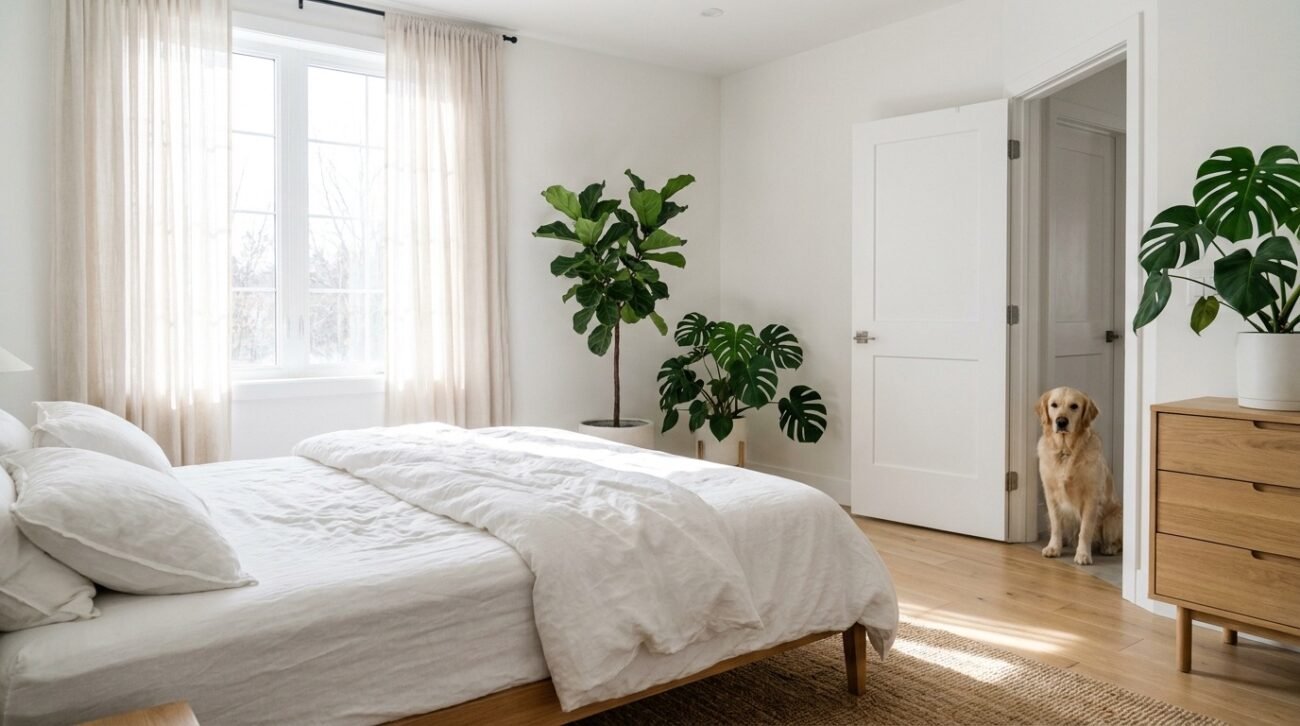
Creating "pet-free sanctuaries" is a powerful strategy for restorative health. Designating the bedroom as a strictly human zone ensures that you spend eight hours a day in a low-allergen environment, giving your immune system a much-needed break. This boundary, combined with increased natural ventilation, can transform your home's air quality. Simply opening windows for 15 minutes twice a day creates a cross-breeze that flushes out stagnant, dander-heavy air and replaces it with fresh oxygen.

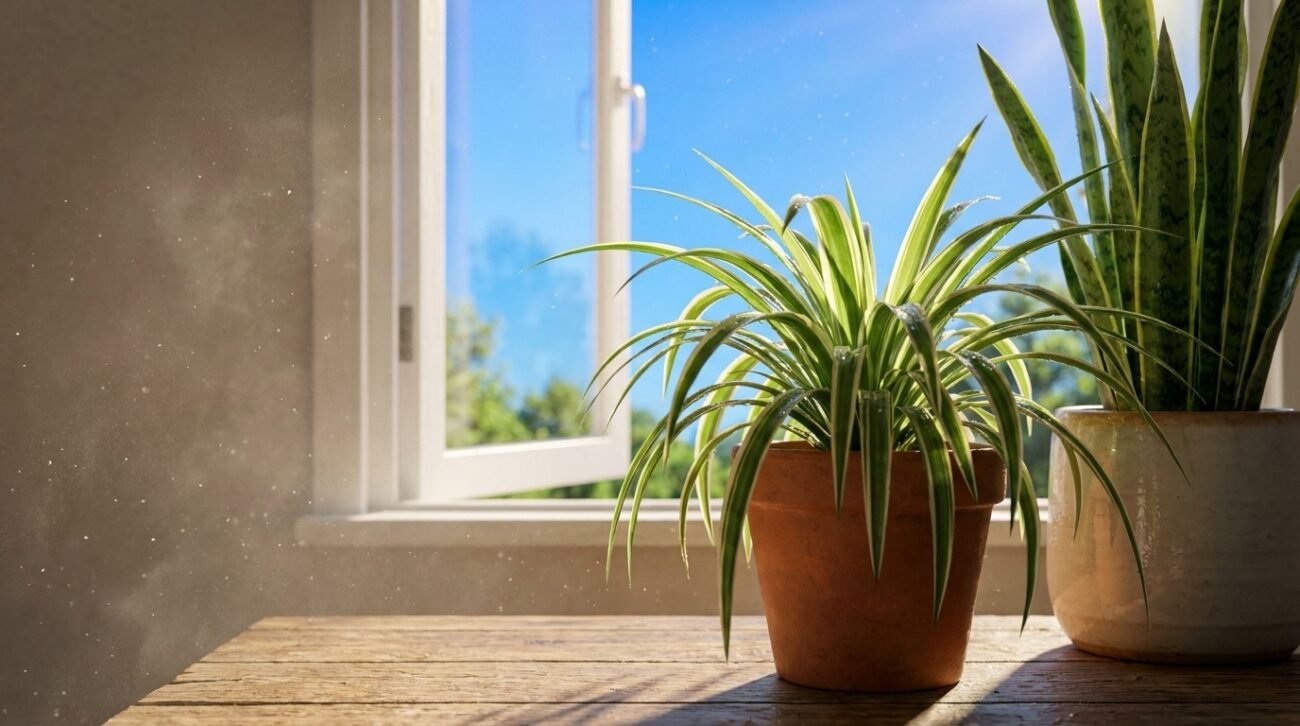
Finally, consider the power of natural filtration. Certain pet-safe indoor plants, like Spider Plants and Areca Palms, act as organic air scrubbers, absorbing trace toxins and releasing clean oxygen. By combining these natural elements with a proactive cleaning habit, you can maintain a home that feels light and airy. Managing dander isn't about clinical sterility; it’s about creating a sustainable balance where the love for your pet and the health of your lungs can coexist in perfect harmony.

Leave a Reply

Your email address will not be published. Required fields are marked *