
Blog
5 Silent Killers in Your Home Air (And How to Stop Them)
We often think of our homes as the safest places on earth, but the air we breathe indoors can actually be two to five times more polluted than the air outside. Since we spend nearly 90% of our time in enclosed spaces, these "silent killers"—pollutants that are often colorless and odorless—can lead to long-term health issues ranging from chronic fatigue and headaches to severe respiratory diseases and even cancer.
The most notorious of these is Carbon Monoxide (CO), known as the ultimate silent killer because it is completely invisible and tasteless. It often leaks from faulty furnaces, gas stoves, or water heaters. Similarly, Radon is a naturally occurring radioactive gas that seeps from the soil into homes through cracks in the foundation. It is the second leading cause of lung cancer worldwide, yet most homeowners never think to test for it.
Next are Volatile Organic Compounds (VOCs), which are chemical gases emitted by everyday items like paints, air fresheners, new furniture, and cleaning supplies.[1] These "new house" smells are actually chemicals off-gassing into your lungs. Mold and biological contaminants represent a different kind of threat; they thrive in damp corners and behind walls, releasing spores that can trigger asthma attacks and chronic allergies before you even see a single dark spot on your drywall.
Finally, Particulate Matter (PM2.5)—tiny microscopic particles from cooking smoke, candles, or outdoor smog that drifts inside—can settle deep into your lungs and enter your bloodstream. To stop these killers, your first line of defense is detection. Installing CO detectors and performing a one-time Radon test are non-negotiable steps for every household.
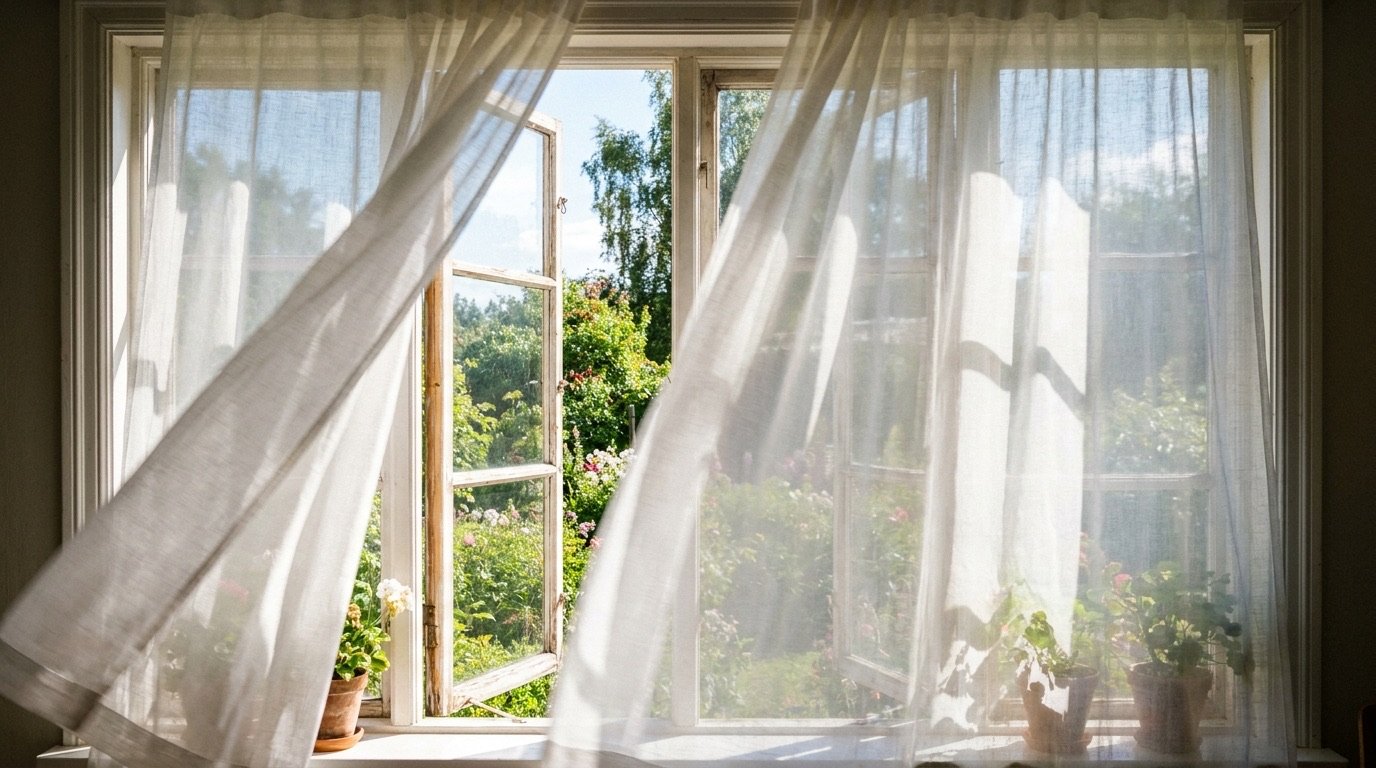
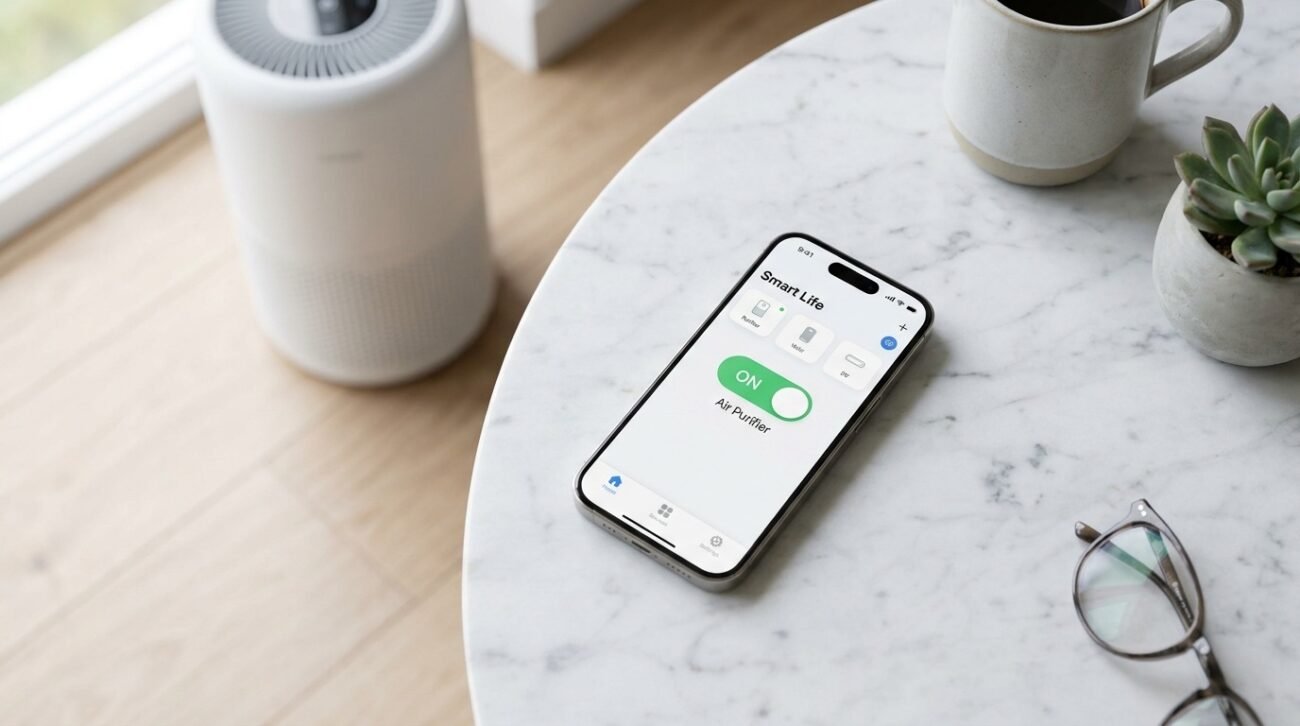
To maintain long-term purity, prioritize ventilation and filtration.[2] Open your windows for at least 10 minutes a day to flush out stale air, and invest in a high-quality HEPA air purifier to capture particulates and allergens. Switching to non-toxic, fragrance-free cleaning products and keeping indoor humidity below 50% will significantly reduce VOC levels and mold growth, turning your home back into the sanctuary it’s meant to be.